

Moving house in Canada is about transporting belongings from one place to another and can be a complex process shaped by long distances, diverse weather conditions, and the needs of growing families. Whether you’re relocating within the same city or moving across provinces, challenges like snowstorms, tight timelines, and coordinating with schools or work schedules can quickly make the experience overwhelming. According to Statistics Canada, around 14% of Canadians move each year, and many report stress as one of the biggest hurdles during relocation.
This is where planning and professional packing services become essential. Smart packing not only safeguards your belongings from damage but also keeps everything organized, minimizes confusion, and saves you a significant amount of time during the move.
Families especially benefit from packing tips for moving that follow a structured approach, ensuring nothing important gets lost or overlooked during the process.
In this detailed guide, you’ll discover the best packing and moving tips, from organizing supplies to room-by-room packing strategies. You’ll also learn how to handle fragile items, manage seasonal challenges, and decide when to rely on moving and packing services for a smoother, stress-free move.
Why Proper Packing Matters for Families
➥ Reduces Stress During Moving
Packing can quickly become overwhelming without a clear plan, especially for families juggling work, school, and daily routines. Proper packing creates structure, ensuring every item has a designated place. This level of organization helps prevent last-minute scrambling and confusion on moving day.
When boxes are clearly labeled and packed systematically, unpacking becomes far more manageable. Instead of digging through random boxes, you can settle into your new home efficiently. Many families find that using moving packing services or following professional methods significantly reduces mental and physical stress.
➥ Protects Valuables in Transit
Canadian moves often involve long travel distances, increasing the risk of damage during transportation. Packing techniques such as cushioning fragile items and securing heavy objects help ensure your belongings arrive safely.
Items such as glassware, electronics, and sentimental valuables require special attention. Without proper protection, even a short move can result in costly damage. This is why many families rely on professional packing services to ensure their items are handled with care and expertise.
➥ Saves Time and Moving Costs
Poor packing can lead to wasted time, damaged items, and additional expenses. Overusing materials or packing inefficiently may require more boxes and increase transportation costs.
By following easy packing tips for moving, families can streamline the process and avoid unnecessary spending. Efficient packing also reduces the likelihood of needing last-minute supplies or additional help, keeping your moving budget under control.

Essential Packing Supplies Checklist
✦ Basic Packing Materials
Every successful move starts with the right supplies. Having all materials ready before you begin packing ensures a smoother workflow.
Sturdy moving boxes are essential, and it’s important to have a variety of sizes for different items. Small boxes work best for heavy objects like books, while larger boxes are ideal for lighter items such as bedding. High-quality packing tape is crucial for securing boxes, and using a tape dispenser can speed up the process.
Bubble wrap and packing paper are also must-haves for protecting fragile items. These materials help prevent breakage and ensure your belongings stay intact throughout the move.
✦ Specialty Supplies
Some household items require specialized packing materials to ensure their safety. Wardrobe boxes allow you to transport hanging clothes without folding them, saving time during unpacking. Dish packs provide extra protection for kitchenware, while mattress covers and furniture wraps protect large items from dirt and damage.
Using these specialty supplies is one of the best packing tips for moving house, especially for families with a wide range of belongings.
✦ Labelling & Organisation Tools
Organization is key to a successful move. Permanent markers are essential for labeling boxes clearly, while colour-coded labels can help identify which room each box belongs to.
Creating an inventory checklist is another effective strategy. This allows you to track all your belongings and ensures nothing gets lost. Many moving and packing services use inventory systems to maintain accuracy and efficiency.
Also Read : How Much Do Residential Movers Cost in 2026?
Room-by-Room Packing Strategy
❐ Kitchen Packing Tips
The kitchen is often the most time-consuming room to pack due to its mix of fragile and bulky items. Start by wrapping each item individually, especially glassware and dishes. Use bubble wrap or packing paper for maximum protection.
Always place heavier items at the bottom of boxes and lighter items on top. This prevents damage and keeps boxes stable during transport. You can also use towels, dishcloths, or linens as cushioning materials to save space and reduce waste.
These packing tips for moving house help ensure your kitchen items arrive safely and are easy to unpack.
❐ Bedroom Packing Tips
Bedrooms are relatively simple to pack but still require thoughtful organization. Wardrobe boxes are ideal for transporting hanging clothes without wrinkles. For families with busy schedules, home packing services can handle this task efficiently.
It’s also helpful to pack seasonal clothing separately, especially in Canada where weather conditions change drastically. Keep an essentials bag for each family member with clothes, toiletries, and personal items needed for the first few days.
Following these moving packing tips ensures a smooth transition into your new home.
❐ Living Room Packing Tips
Living rooms often contain electronics, décor, and furniture that require careful handling. Remove batteries from all electronic devices to prevent damage. If possible, use original boxes for items like TVs and gaming consoles.
Label all cables and accessories clearly to avoid confusion during setup. Taking photos of your electronics setup before disconnecting them can also make reassembly easier.
These are among the best packing and moving tips for keeping your living room organized.
❐ Bathroom Packing Tips
Bathrooms contain many small and often overlooked items. Start by sealing liquids in plastic bags to prevent leaks during transit. Dispose of expired or unused products to reduce clutter.
Pack daily essentials such as toothbrushes, soap, and towels in a separate bag for easy access. This ensures you won’t have to search through boxes on your first night in your new home.
Smart Packing Tips for Families with Kids
● Keep Kids Engaged
Moving can be a stressful experience for children, but involving them in the process can make it more enjoyable. Assign simple tasks based on their age, such as packing toys or labeling boxes.
Encourage children to pack their own “essentials box” with their favorite items. This gives them a sense of control and helps them feel more comfortable during the transition.
● Pack an Essentials Kit
An essentials kit is crucial for keeping kids comfortable during the move. Include snacks, toys, clothes, medications, and school supplies. Comfort items like blankets or stuffed animals can also help ease anxiety.
These easy packing tips for moving can make a significant difference on moving day.
● Maintain Routine During Move
Maintaining routines can help children adjust more easily to a new environment. Keep bedtime items accessible and try to stick to familiar schedules as much as possible.
Planning activities for moving day can also keep kids occupied and reduce stress for the entire family.
Packing Tips for Canadian Weather Conditions
➥ Winter Moving Tips
Winter moves in Canada require extra preparation. Snow, ice, and freezing temperatures can damage belongings if they’re not properly protected. Use waterproof containers and wrap items securely to prevent moisture damage.
Hiring professional packing services can be especially helpful during winter, as experts know how to handle weather-related challenges effectively.
➥ Summer Moving Tips
Summer moves come with their own set of challenges, including heat and humidity. Avoid packing heat-sensitive items such as candles or electronics too early. Keep hydration and cooling essentials readily available for your family.
Planning ahead ensures a safer and more comfortable moving experience.
➥ Handling Seasonal Items
Canadian households often have a variety of seasonal items, from winter coats to summer gear. Pack these items separately and label them clearly for easy access.
This is one of the best packing tips for moving, as it helps you stay organized throughout the year.
How to Pack Fragile and Valuable Items
❐ Glassware and Dishes
Fragile items require careful handling to prevent damage. Wrap each piece individually using bubble wrap or packing paper. Place cushioning material at the bottom of the box and use the double-boxing method for added protection.
These techniques are among the best packing and moving tips for ensuring safety.
❐ Electronics
Before packing electronics, back up all important data. Use anti-static materials to protect devices from damage. Secure cables and accessories in labeled bags.
Proper packing ensures your electronics arrive in working condition.
❐ Important Documents
Important documents such as passports, medical records, and financial papers should always be kept in a separate folder. Carry them with you instead of placing them in the moving truck.
This ensures they remain safe and easily accessible.
Also Read : Best Residential Moving Company in Dundas (Edition 2026)
Labelling and Organisation Hacks
✦ Numbering Boxes
Numbering boxes is an effective way to stay organized during a move. Assign each box a number and maintain a master inventory list. This method, commonly used by moving packing services, allows you to track all your belongings easily and ensures nothing gets lost.
It also simplifies the unpacking process, as you can quickly locate specific items.
✦ Priority Labels
Clearly marking boxes as “Fragile” or “Open First” helps movers handle them appropriately. Priority labeling ensures essential items are easily accessible when you arrive at your new home.
This small step can make a big difference in reducing stress during unpacking.
Common Packing Mistakes to Avoid
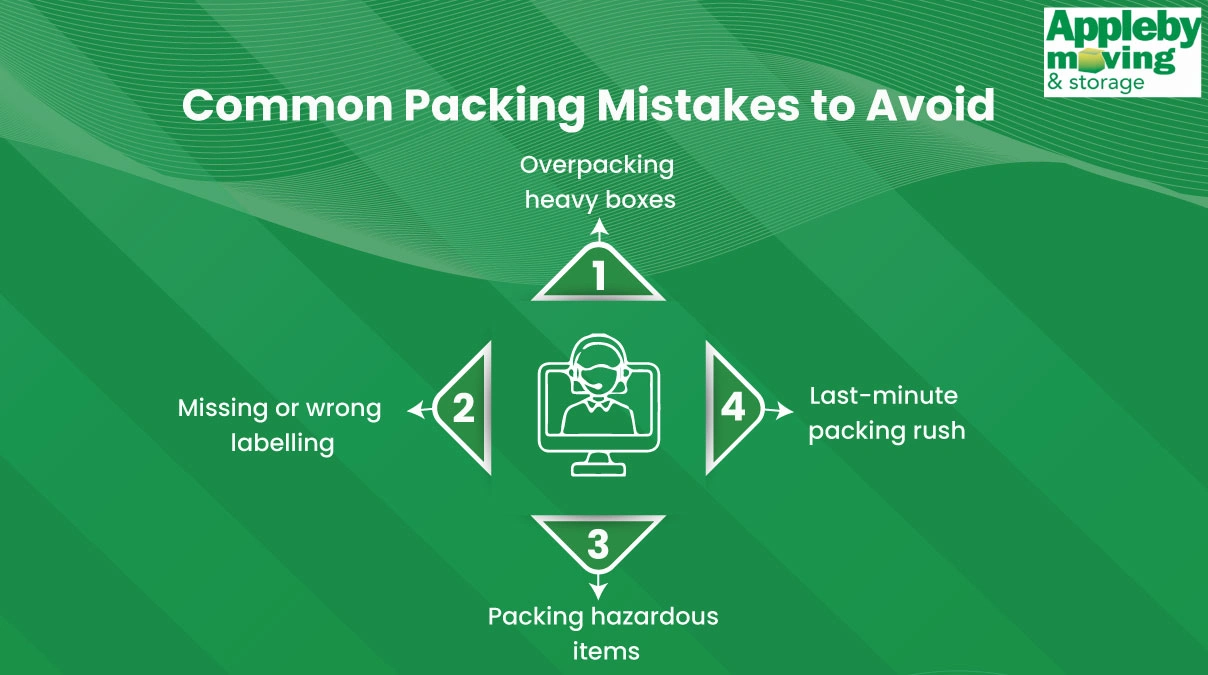
Even with careful planning, mistakes can happen. One of the most common errors is overpacking boxes, making them too heavy to carry safely. This can lead to injuries or damaged items.
Another frequent mistake is failing to label boxes properly, which creates confusion during unpacking. Packing hazardous or prohibited items is also risky and should be avoided.
Finally, leaving packing until the last minute often results in rushed and disorganized packing. Following packing tips for moving house and planning ahead can help you avoid these pitfalls.

Moving Soon? Let Experts Handle the Packing
While many families choose to pack on their own, hiring professional packers and movers can significantly simplify the process. These experts have the skills, tools, and experience needed to handle all types of items, from fragile glassware to bulky furniture.
Using packing services ensures your belongings are packed efficiently and securely, reducing the risk of damage. It also saves time, allowing you to focus on other aspects of your move. For Canadian families dealing with busy schedules and unpredictable weather, moving and packing services offer a reliable solution. With expert support, you can enjoy a smoother, more organized relocation and settle into your new home with ease.